
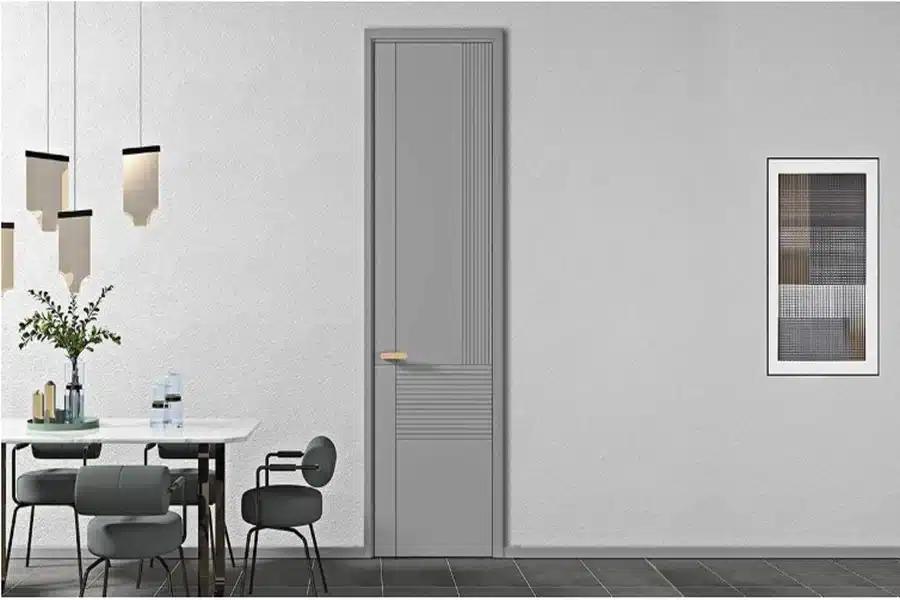
Let’s be honest—kitchen renovations can be overwhelming. You know that feeling when you’re standing in a showroom surrounded by dozens of cabinet door options, all claiming to be “perfect” for your space? Yeah, been there. After fifteen years in interior design, I’ve guided countless homeowners through this exact dilemma, and WPC doors have increasingly become my go-to recommendation for kitchens.
What Exactly Are WPC Doors?
WPC stands for Wood Plastic Composite—basically a marriage between natural wood fibers and thermoplastics. The result? A door that looks like wood but performs much better in kitchen environments. I find that many clients initially confuse these with laminate or solid wood options, but WPC is really its own category with unique advantages.
Why Consider WPC Doors for Your Kitchen?
The kitchen is probably the hardest-working room in your home, right? It’s hot, humid, and prone to spills and splatters. Traditional wooden doors might look gorgeous on day one, but fast-forward a few years and they can warp, stain, or fade—especially near the sink and stove areas.
WPC doors, by contrast, offer:
Moisture Resistance: Unlike solid wood that absorbs water and swells, WPC doors maintain their shape even in steamy kitchen environments.
Durability: The composite nature means these doors can take a beating. Got kids who slam cabinet doors? (Don’t we all at some point?) These can handle it.
Low Maintenance: Just a wipe-down with mild soap is usually all that’s needed. No polishing, no special cleaners.
Eco-Friendly Options: Many manufacturers now offer WPC products made with recycled materials—a small but meaningful way to reduce environmental impact during your renovation.
Selecting the Right WPC Door: What Actually Matters
1. Core Quality
Not all WPC doors are created equal. The density of the core material significantly affects longevity. Look for doors with high-density cores—they might cost more initially, but you’ll thank yourself later when they’re still looking for great years down the road.
When I visited the manufacturing facilities of OPPEIN, one of the leading wooden door manufacturers in China, I was impressed by their multi-stage density testing for their WPC products. This kind of quality control makes a real difference in the final product.
2. Finishing Details
The finish on your WPC door determines both its appearance and performance. There are several options to consider:
Membrane Press (Thermofoil): Creates a seamless surface that’s super easy to clean. Great for contemporary kitchens.
Laminate: Offers more design varieties and typically costs less.
PVC Coating: Provides excellent moisture protection—perfect for areas near the sink.
UV-Cured Finishes: These provide superior color stability, meaning your white cabinets won’t yellow over time. By the way, this is particularly important if your kitchen gets lots of natural light.
3. Edge Banding Quality
This might sound nitpicky, but edge banding is a detail worth paying attention to. It’s the thin strip that covers the exposed edges of your doors. Poor quality edge banding can peel off over time—a small issue that makes cabinets look cheap and damaged.
In my experience, doors with laser edge banding technology offer the most seamless look and best durability. The edge becomes nearly invisible and extremely resistant to peeling.
4. Design Compatibility
WPC doors come in various styles—from ultra-modern flat panels to more traditional raised panel designs. Consider your overall kitchen aesthetic:
Contemporary Kitchens: Opt for flat-panel WPC doors with minimal hardware for a clean look.
Transitional Spaces: Consider shaker-style WPC doors that bridge modern and traditional elements.
Traditional Kitchens: Look for WPC options with detailed profiles and warm finishes.
The cool thing about WPC is that manufacturing techniques have advanced so much that these doors can now mimic almost any style previously limited to wood. You’re not sacrificing design possibilities by choosing this material.
Common Pitfalls to Avoid
Overlooking Hardware Compatibility
Some WPC doors, particularly thinner varieties, may not hold heavier hardware well over time. If you’ve fallen in love with substantial metal handles, make sure your chosen doors can support them long-term.
Ignoring Heat Sources
While WPC is generally heat-resistant, extreme and constant heat can potentially affect some lower-quality options. If you’re installing doors adjacent to a wall oven or range hood, discuss this with your supplier to ensure you’re getting appropriate heat-resistant varieties.
I once worked with a client who installed standard WPC doors next to a professional-grade range—within a year, we noticed slight warping on the nearest cabinet. We could have avoided this with a higher heat-resistance rating.
Forgetting About Color Stability
Some budget WPC doors can fade unevenly when exposed to sunlight. Ask about UV resistance, especially if your kitchen gets lots of natural light or if you’ve chosen a darker color that shows fading more prominently.
Making the Final Decision
Here’s a quick checklist that might help:
- Set your budget range. WPC doors span from budget-friendly to high-end, so knowing your ceiling helps narrow options.
- Prioritize your needs. Is low maintenance your main concern? Or is achieving a specific aesthetic more important?
- Request samples. Never select based on digital images or showroom displays alone. Get actual door samples to see how they look in your kitchen’s lighting.
- Check warranty terms. Better manufacturers stand behind their products with solid warranty coverage.
- Consider the supplier’s reputation. Work with established companies or authorized dealers of reputable brands.
Installation Considerations
Professional installation makes a difference with WPC doors. The material can be cut and drilled differently than solid wood, and experienced installers will know how to handle it properly to prevent damage.
If you’re DIY-inclined (and I know many of us are), just be sure to research proper techniques for working with WPC materials before diving in. The right tools make all the difference—standard woodworking equipment works, but blade selection matters for clean cuts without chipping.
The Sustainability Angle
Let’s talk about sustainability for a moment. Traditional hardwood cabinet doors contribute to deforestation concerns, while low-quality synthetic options often have problematic chemical compositions and poor longevity (meaning they end up in landfills sooner).
Quality WPC doors occupy a middle ground—they use less wood than solid options while lasting longer than many cheaper alternatives. Some manufacturers have also made significant strides in using recycled plastics in their WPC formulations.
Final Thoughts
Choosing kitchen cabinet doors isn’t just about aesthetics—it’s a decision you’ll live with daily for years. WPC doors offer a practical compromise between beauty and functionality that works particularly well in kitchen environments.
As with any major home improvement decision, take your time, do your research, and maybe even talk to friends who have gone through similar renovations. Their real-world experience can be just as valuable as any expert advice.
After all these years in design, I still believe that the best choices come when we balance what looks good with what works well for our actual lifestyle. WPC doors, when chosen thoughtfully, often manage to achieve both.


