
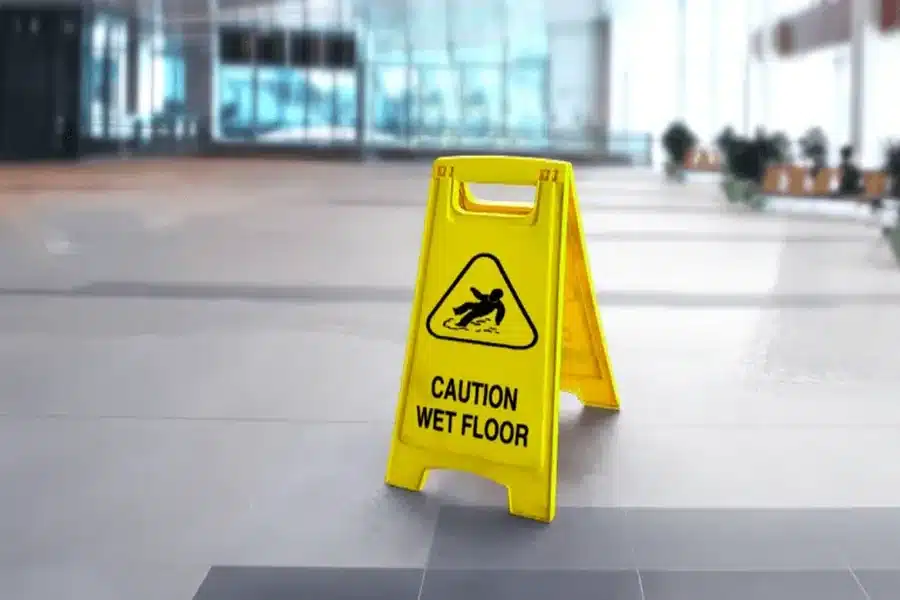
A fall can happen faster than you’d expect. One second you’re walking through a store or apartment complex, the next you’re on the ground wondering what just happened. Many people brush it off at first, assuming it was just bad luck. But in many situations, a fall isn’t accidental at all. It’s the result of unsafe property conditions that never should’ve existed.
Property owners have legal responsibilities to keep their spaces reasonably safe. When they fail to do that, injuries often follow. Understanding how liability works helps you know whether your situation is simply unfortunate or legally actionable, and when speaking with a slip-and-fall lawyer might make sense.
Let’s break this down in plain language.
What Property Owner Liability Really Means
At the heart of most fall cases is something called premises liability. This area of law holds property owners accountable when unsafe conditions cause harm to visitors.
Duty of Care Explained
Property owners aren’t expected to prevent every possible accident. The law doesn’t demand perfection. What it does require is reasonable care.
That means owners must:
- Regularly inspect their property
- Fix known hazards within a reasonable time
- Warn visitors about dangers that can’t be fixed immediately
- Maintain walkways, stairs, lighting, and flooring safely
If they ignore these responsibilities, liability can follow.
A grocery store owner, for example, knows spills happen daily. Because of that, courts expect active monitoring and quick cleanup procedures. Failing to check aisles for hours could easily be considered negligence.
Types of Dangerous Conditions
Slip-and-fall claims usually involve hazards such as:
- Wet or recently mopped floors without warning signs
- Uneven sidewalks or broken pavement
- Loose carpeting or flooring
- Poor lighting in stairwells or parking lots
- Ice or snow left untreated
- Cluttered walkways
None of these conditions are unusual. What matters is whether the owner handled them responsibly.
How Courts Determine Liability
Not every fall automatically leads to compensation. Courts look closely at several factors before deciding whether a property owner is legally responsible.
Knowledge of the Hazard
One of the biggest questions is simple: Did the owner know about the danger?
There are two ways this knowledge can exist.
Actual Notice
Actual notice means the owner or staff truly knew about the hazard. Maybe an employee saw a spill or received a complaint but failed to act.
Example: A restaurant worker notices water leaking near the entrance but ignores it during a busy shift.
Constructive Notice
Constructive notice happens when the hazard existed long enough that the owner should have discovered it through normal inspections.
If a puddle has dirt tracks running through it, that suggests it sat there for quite some time. Courts often view that as preventable.
Safety organizations like the National Safety Council consistently emphasize routine inspections because unattended hazards are one of the leading causes of preventable injuries.
Reasonable Time to Fix the Problem
Owners aren’t expected to fix issues instantly. They are expected to act reasonably.
A spilled drink cleaned within minutes may not create liability. The same spill left unattended for an hour probably will.
Timing often becomes a key argument in these cases.
Comparative Negligence
Sometimes both parties share blame.
If someone was texting while walking or ignored a clearly marked warning sign, compensation may be reduced. Many states apply comparative fault rules, meaning responsibility can be divided.
You can still recover damages even if you were partly at fault, but the percentage matters.
Where Slip-and-Fall Accidents Commonly Happen
These incidents occur almost everywhere people gather, including:
- Grocery stores and retail shops
- Apartment complexes
- Office buildings
- Hotels and resorts
- Parking garages
- Restaurants and bars
- Public sidewalks
Even private homes can create liability under certain circumstances.
I once spoke with someone who slipped at a friend’s apartment building after rainwater pooled near the entrance. Residents had complained about drainage for months. Management delayed repairs to save money. That small decision turned into months of medical treatment for a visitor who simply came over for dinner.
Situations like this are more common than people think.
Evidence That Makes or Breaks a Case
Strong evidence often determines whether a claim succeeds.
Helpful documentation includes:
- Photos or videos of the hazard
- Incident reports filed immediately
- Witness statements
- Surveillance footage
- Medical records linking injuries to the fall
- Maintenance or inspection logs
Property owners frequently defend themselves by claiming the condition appeared moments before the accident. Evidence helps challenge that argument.
Regulatory guidance from agencies like the Occupational Safety and Health Administration also influences safety expectations, especially in commercial environments where regular hazard prevention is standard practice.
Practical Steps to Take After a Fall
If you’re injured on someone else’s property, your actions afterward matter more than most people realize.
Here’s what helps protect your rights:
- Report the incident immediately to management or staff
- Take photos before conditions change
- Get medical care, even for minor pain
- Collect names of witnesses nearby
- Avoid giving detailed recorded statements right away
- Keep shoes and clothing worn during the fall
Many injuries, especially back or head trauma, worsen over time. Waiting days to seek treatment can complicate both recovery and legal claims.
Common Defenses Property Owners Use
Property owners and insurance companies rarely admit fault quickly. Some frequent defenses include:
- The hazard was obvious
- The victim wasn’t paying attention
- The condition appeared moments earlier
- Warning signs were posted
- The injured person entered a restricted area
These arguments don’t automatically defeat a claim, but they show why legal evaluation becomes valuable.
A knowledgeable Slip and Fall Injury Attorney or Fall Injury Lawyer understands how to counter these defenses using evidence, timelines, and expert testimony.
Why Legal Guidance Often Matters
Premises liability cases can look simple on the surface but become complicated fast. Insurance companies investigate aggressively because payouts can be significant.
A qualified Premises Liability Attorney helps by:
- Investigating maintenance history
- Securing surveillance footage before deletion
- Consulting safety experts
- Calculating long-term medical costs
- Negotiating with insurers
Many injured people underestimate future expenses like physical therapy or lost earning ability. Early settlements sometimes fail to cover ongoing care.
Legal guidance isn’t about being confrontational. It’s about leveling the playing field when dealing with experienced insurance adjusters.
Conclusion: Accountability Creates Safer Spaces
Slip-and-fall cases aren’t about blaming property owners for honest mistakes. They’re about accountability when preventable dangers are ignored.
Safe properties protect everyone, customers, tenants, employees, and guests alike. When owners take shortcuts on maintenance or inspections, injuries become predictable rather than accidental.
If you’ve been hurt after a fall and something about the situation feels wrong, trust that instinct. Asking questions and understanding your options doesn’t commit you to legal action. It simply gives you clarity.
A brief conversation with an experienced professional can help you understand whether negligence played a role and what steps make sense next. Sometimes peace of mind starts with knowing where responsibility truly lies.


