
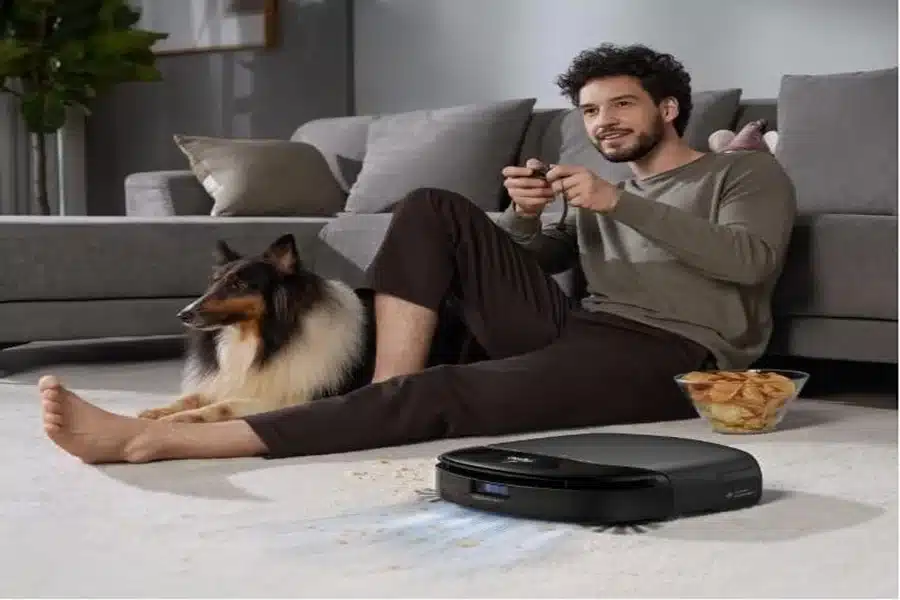
Hardwood floors are elegant and timeless, but they come with a common challenge: dirt, dust, and crumbs slipping into the tiny gaps between floorboards. Over time, these particles can dull the floor’s appearance, trigger allergies, and even contribute to long-term wear. Traditional sweeping often pushes debris further into the crevices, leaving homeowners wondering whether modern robot vacuums are up to the task of loosening and lifting dirt from these tricky spots.
The truth is, many advanced robot vacuums today come equipped with specialized features that make them more than capable of handling this exact challenge.
How Robot Vacuums Handle Gaps in Hardwood Floors?
Here are the important features that allow robot vacuums to capture and remove dirt lodged between floorboards.
Strong, Focused Suction Power
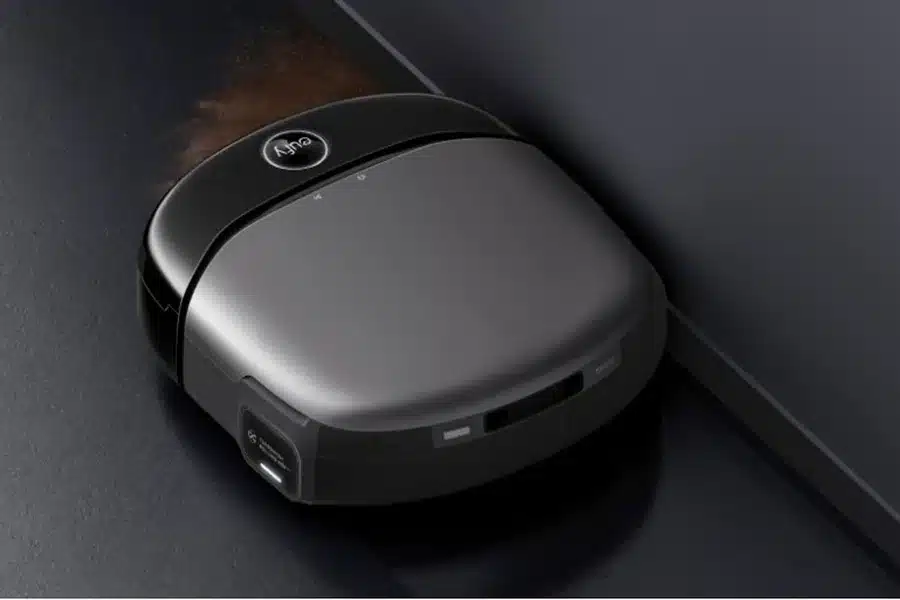
One of the main factors in removing dirt from cracks is suction strength. Vacuums like the eufy Omni E28 provide up to 20,000 Pa of turbo suction, ensuring that even fine dust and crumbs trapped between boards are pulled upward. The best robot vacuum for hardwood floors combines this kind of power with controlled airflow, creating a lifting effect that reaches into narrow gaps without damaging the wood’s surface.
Edge-Cleaning Brushes for Precision
Dirt often settles along seams and edges where floorboards meet, making them harder to clean. Robot vacuums equipped with specialized side or edge brushes excel here. eufy’s CornerRover™ Arm technology, for example, extends cleaning coverage right to the edges, sweeping debris out of tight corners and into the vacuum’s suction path. This ensures that no particles are left lingering along seams or cracks.
Adaptive Cleaning Modes
Not all areas of a hardwood floor require the same level of cleaning. Some robot vacuums include adaptive modes that detect dirtier areas and automatically boost suction or make additional passes. This is particularly effective for floors where crumbs or dust tend to settle in between planks. By targeting high-debris zones, these robots achieve deeper, more thorough results.
Advanced Navigation for Consistent Coverage
A vacuum that misses spots won’t be effective at loosening dirt between boards. eufy models like the X10 Pro Omni use LiDAR mapping and AI navigation to follow precise routes rather than random patterns. This ensures the vacuum passes over each section of flooring systematically, covering every gap multiple times if needed. Consistent coverage is key to lifting debris from the fine lines of hardwood floors.
Soft Wheels and Non-Scratch Design
Hardwood requires care, and one worry for homeowners is whether vacuums might damage the surface. The best robot vacuum for hardwood floors uses soft, rubberized wheels and non-abrasive brushes to protect the finish while still creating enough contact to dislodge dirt. eufy’s compact, lightweight builds are designed to be gentle yet effective, preventing scuffs while delivering a deep clean.
Optional Mopping Features for Residue
Sometimes, dirt in floorboard gaps isn’t just dry—it can be sticky or grimy. Robot vacuums with integrated mopping functions, like the eufy Omni S1 Pro, provide added cleaning power. These models use mop-lifting technology to scrub hard floors with controlled water flow, loosening residue that suction alone might miss. Combined with strong suction, this creates a polished finish and a healthier living environment.
Conclusion
Robot vacuums have advanced far beyond basic dust collection. With powerful suction, edge-cleaning brushes, and smart navigation, they are highly effective at loosening dirt lodged between hardwood boards. Add in protective designs and mop features, and you get a device that not only keeps your floors spotless but also preserves their longevity.
For anyone looking to tackle both visible mess and hidden dirt in crevices, investing in a good robot vacuum for hardwood floors ensures your home remains clean, polished, and inviting.


