
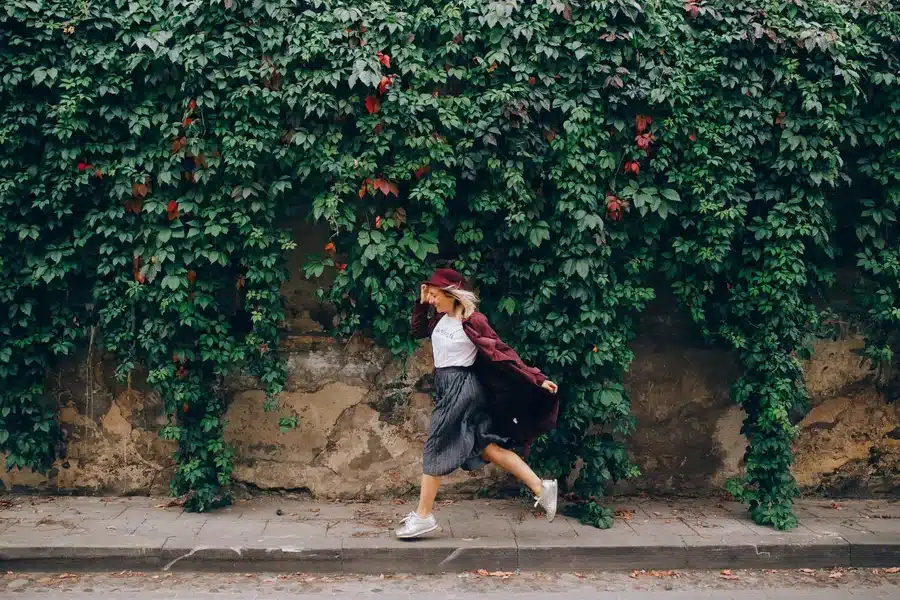
As the crisp air of fall settles in, it’s time to bring out your cozy sweaters, scarves, and jackets to stay warm. But while layering for comfort and style is essential, it’s also a perfect opportunity to consider how to layer in a way that supports a more sustainable lifestyle. Fall fashion doesn’t have to be wasteful, and with some eco-conscious choices, you can build a wardrobe that is both stylish and environmentally friendly.
This article provides eco-friendly fall layering tips to help you make the most of your seasonal wardrobe while minimizing your environmental impact. Whether it’s choosing the right fabrics, shopping smarter, or caring for your clothes properly, these tips will guide you in layering in a more sustainable way this fall.
1. Choose Sustainable Fabrics for Layering
When it comes to layering for fall, the materials you choose play a huge role in sustainability. Opting for natural, biodegradable, and eco-friendly fabrics is one of the most impactful choices you can make.
1.1 Wool and Merino Wool
Wool, especially merino wool, is an excellent material for fall layering because it provides warmth while being breathable. Merino wool is naturally moisture-wicking and temperature-regulating, making it perfect for fluctuating fall weather. Look for ethically sourced wool, as many companies now offer wool that’s produced without harming the environment or animals. Brands like Patagonia and Smartwool offer merino wool items that are produced with sustainable practices. Sustainable Celebrity Outfits are all about conscious style without compromising on fashion.
1.2 Organic Cotton
Cotton is a staple in many wardrobes, and organic cotton is a far more sustainable option than conventional cotton. Organic cotton is grown without harmful pesticides or synthetic fertilizers, making it gentler on the environment. It’s perfect for light layering pieces like t-shirts or base layers, providing comfort and breathability. Organic cotton is soft, versatile, and easy to care for—an essential for any eco-friendly fall wardrobe.
1.3 Hemp and Linen
Hemp is a durable, low-impact fabric that thrives in almost any season. It’s a sustainable alternative to conventional fabrics like polyester or cotton. Hemp requires little water and no pesticides to grow, making it an ideal fabric for those who want to reduce their carbon footprint. Paired with organic cotton, hemp can make beautiful, eco-conscious pieces for fall. Linen, derived from the flax plant, is also a breathable and eco-friendly option. Though traditionally associated with warm weather, linen blends can be layered with sweaters and outerwear for a stylish fall look.
1.4 Recycled Fabrics
For those who love the comfort of polyester but want a more eco-friendly alternative, recycled polyester is an excellent option. Made from post-consumer waste like plastic bottles or old clothing, recycled polyester requires less energy and water to produce compared to virgin polyester. It’s perfect for jackets, fleeces, and outerwear pieces that need to be durable and weather-resistant. Look for brands that use recycled fabrics in their fall collections to reduce your environmental impact.
2. Invest in Timeless, High-Quality Pieces
Sustainability is not just about the materials you use, but also the longevity of your wardrobe. When you choose timeless pieces that can be worn season after season, you’re minimizing the need for constant shopping and reducing overall waste. Instead of buying trendy, fast-fashion items that wear out quickly, invest in high-quality basics that will serve you for many fall seasons.
2.1 Go for Versatile Pieces
For layering, look for versatile items that can work with multiple outfits. A neutral-colored wool sweater or organic cotton cardigan can be paired with a variety of items, from jeans to skirts, making them adaptable throughout fall. Opt for high-quality, timeless outerwear, like a classic trench coat or recycled denim jacket, that you can wear year after year.
2.2 Quality Over Quantity
Instead of filling your wardrobe with numerous fast-fashion pieces, focus on building a wardrobe with fewer, better-quality items. Look for durability in the clothes you purchase, ensuring they’re made to last through multiple seasons of layering. Choosing well-made items with strong stitching and durable fabrics means they will stay with you longer, reducing the need for frequent replacements and minimizing waste.
3. Layer Smartly and Purposefully
Layering is not just about piling on clothes; it’s about creating a stylish, functional look that is comfortable and practical for the weather. By layering smartly, you can extend the life of your fall wardrobe while keeping it eco-friendly.
3.1 Start with a Sustainable Base Layer
The base layer is the foundation of any layering outfit, so choose a material that will keep you comfortable throughout the day. Merino wool or organic cotton thermal tops make excellent base layers that provide warmth without overheating. These materials also have natural odor-resistant properties, so you won’t need to wash them as frequently, saving water and energy.
3.2 Add a Sweater or Cardigan
For added warmth, a wool or hemp sweater or cardigan is the perfect addition to your fall layering ensemble. Choose knitted options made from organic or recycled yarns for a stylish, eco-friendly option. Cashmere is also an excellent material for layering, but look for ethical cashmere brands that prioritize animal welfare and sustainable practices.
3.3 Top Off with an Outer Layer
When choosing outerwear, look for a sustainable jacket or coat that will keep you warm in the cooler fall months. Recycled wool coats, down-free jackets, or sustainable leather options are all great choices. Layering with a denim jacket made from organic cotton or an eco-friendly bomber jacket provides style and warmth without sacrificing sustainability.
3.4 Don’t Forget Accessories
Accessories are a perfect way to layer and add personality to your outfit. Choose eco-friendly scarves, gloves, and hats made from natural materials like wool, organic cotton, or recycled fabrics. Upcycled leather bags and recycled jewelry are also great options for adding sustainable flair to your look while keeping fall fashion stylish.
4. Shop Secondhand or Vintage
One of the best ways to layer in an eco-friendly way is by purchasing secondhand or vintage clothing. Thrift stores, vintage shops, and online secondhand marketplaces are treasure troves for high-quality, unique pieces that don’t contribute to the waste of new clothing production. When you buy secondhand, you’re giving old clothes a second life and diverting them from landfills.
4.1 Look for Timeless Vintage Pieces
Vintage clothing often has a much higher quality than today’s fast fashion, with durable fabrics and timeless designs. You can find vintage wool sweaters, classic trench coats, and upcycled scarves that make perfect additions to your fall layering wardrobe. Vintage finds are not only eco-friendly but also help you stand out with unique and one-of-a-kind pieces.
4.2 Online Thrift Stores and Apps
If you’re unable to find the perfect secondhand piece in your local thrift store, consider shopping online through apps and websites like Poshmark, Depop, or ThredUp. These platforms allow you to find gently used clothing that aligns with your style and sustainability goals, often at more affordable prices than new items.
5. Care for Your Clothes Properly
Taking proper care of your clothes helps to extend their life and reduce the environmental impact of your fall wardrobe. Here are some tips for keeping your layers in top condition:
5.1 Wash Less Frequently
Overwashing clothes contributes to fabric wear and tear, plus it uses up water and energy. Try to wear your clothes multiple times between washes, and spot clean when necessary. Air drying your clothes instead of using a dryer also helps to preserve fabric quality and reduce energy consumption.
5.2 Store Clothes Correctly
When you’re not wearing your fall layers, store them properly to extend their life. Keep your sweaters, jackets, and scarves in a cool, dry place and avoid overcrowding them in your closet. For wool garments, store them in a breathable garment bag to prevent moths. Proper storage helps maintain the fabric’s integrity and ensures your clothing will last for many seasons to come.
5.3 Repair Instead of Replacing
Instead of tossing out a damaged item, consider repairing it. Sewing a hole in your favorite sweater, replacing a zipper on your jacket, or patching up worn-out jeans can give your clothes a second life. Many eco-friendly brands offer repair services, and there are plenty of online tutorials for learning simple mending techniques.
Conclusion
Fall is a season filled with rich colors, crisp air, and cozy layers, making it the perfect time to embrace both style and sustainability. By choosing eco-friendly fabrics, investing in high-quality pieces, and layering thoughtfully, you can create a wardrobe that not only keeps you warm but also minimizes your environmental impact. Whether it’s shopping secondhand, repairing your clothes, or choosing natural materials, small changes can lead to a more sustainable and stylish fall wardrobe. Remember, sustainable fashion is not about perfection, but about making conscious choices that reflect your commitment to a greener, more eco-friendly lifestyle. This fall, layer with intention and make a statement for the planet.


