
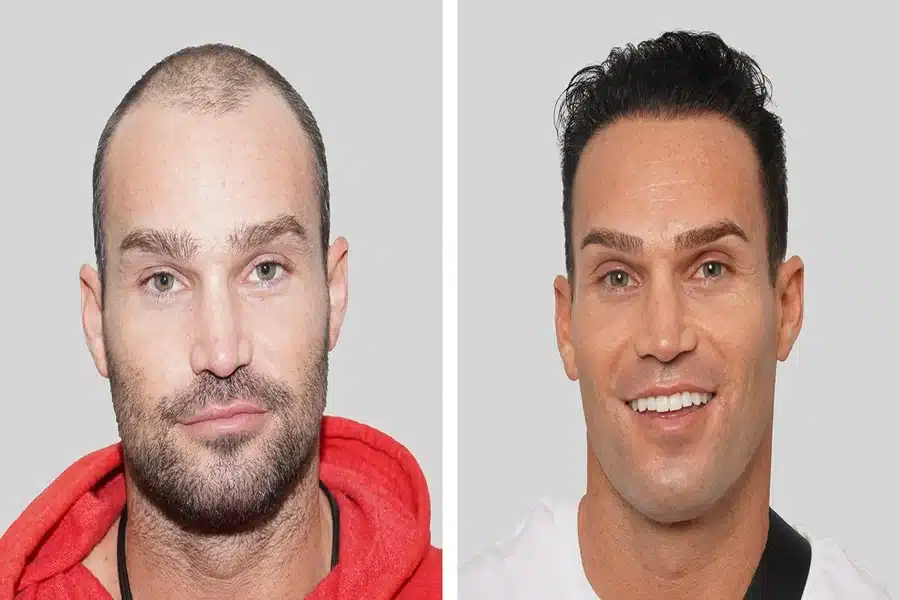
Hair transplant surgery can be an effective solution for restoring hair in people with pattern hair loss. Many patients researching the topic ask if hair transplants really work, and clinical evidence shows they can produce lasting hair growth when performed correctly.
The procedure relocates healthy follicles from dense regions of the scalp to thinning or bald areas where hair no longer grows.
These transplanted follicles typically continue producing hair because they retain the genetic traits of the donor region. Results depend on factors such as donor hair quality, surgical technique, and proper aftercare.
Key Takeaways
- Hair transplant surgery works by moving healthy follicles from donor areas of the scalp to thinning regions, allowing transplanted hair to grow naturally over time.
- Modern techniques such as follicular unit extraction (FUE) and follicular unit transplantation (FUT) can produce natural looking results when performed by experienced surgeons.
- The hair transplant success rate is generally high because transplanted follicles retain the genetic resistance to hair loss found in donor hair.
- Results appear gradually over several months, and long term outcomes depend on factors such as donor hair quality, surgical planning, and proper post-procedure care.
How Hair Transplants Work
A hair transplant procedure moves healthy hair follicles from one part of the scalp to another. The follicles usually come from the back or sides of the head. These regions are called donor areas because the hair there is more resistant to hair loss.
Once the follicles are removed, they are placed into small openings in the recipient area. This is the part of the scalp where hair has thinned or stopped growing. The transplanted follicles then begin producing new hair over time.
Hair restoration surgery is most often used to treat androgenetic alopecia, the common form of pattern hair loss. The goal is to rebuild a natural hairline and blend the transplanted hair with the patient’s existing hair.
Types of Hair Transplant Techniques
Modern surgery uses two main methods. These approaches differ in how follicles are collected from the scalp, but both aim to restore natural hair density.
The most common types of hair transplant include:
- Follicular Unit Extraction (FUE)
This method removes follicles one by one from the scalp. It is also called follicular unit extraction FUE and leaves very small marks that are hard to see.
- Follicular Unit Transplantation (FUT)
Known as follicular unit transplantation fut, this method removes a thin strip of scalp from the donor site. Doctors then separate that strip into small grafts.
- Robotic-assisted extraction
Some clinics use robotic tools to assist with graft harvesting. The process still follows the same steps used in the traditional FUE procedure.
After the grafts are prepared, surgeons place them into small recipient sites in the thinning area. The direction and angle of these grafts help create natural looking results that blend with the surrounding hair.
Hair Transplant Success Rate and Effectiveness
Many people want to know if a hair transplant works outside of before-and-after photos. Medical studies show that transplanted follicles usually survive when the procedure is done properly. Because of this, the overall hair transplant success rate is high.
Several factors influence the final outcome:
- The density and strength of the available donor hair
- The experience of the surgeon performing the procedure
- The stage of the patient’s hair loss
- Proper care during recovery
Most patients begin seeing new hair growth about three to four months after surgery. Hair becomes thicker over the next year as the follicles complete their growth cycle.
Patients often explore treatment in large medical cities. Clinics offering advanced options such as a hair transplant in New York often combine surgical skill with personalized treatment plans to improve results.
Who Is a Good Candidate for Hair Transplant Surgery
Not everyone with hair loss is an ideal candidate for surgery. The procedure works best for people who still have healthy follicles in the donor region.
Doctors usually look at several factors before recommending treatment:
- The pattern and stability of hair loss
- Density in the donor region
- Overall scalp health
- Age and long-term expectations
People with mild thinning may first try medication before surgery. Patients with severe baldness may need more than one procedure to achieve good coverage.
Many patients also ask if hair transplant surgery works for advanced hair loss. In many cases it can improve density, but results depend on how much donor hair is available.
The Hair Transplant Procedure Step by Step
Understanding the process helps patients know what to expect. The hair transplant procedure usually takes several hours and is done in one outpatient session.
Typical steps include:
- Consultation and planning
- The surgeon examines the scalp and plans the new hairline.
- Donor harvesting
- Follicles are taken from the back or sides of the scalp, the main donor areas.
- Graft preparation
- Medical staff separate grafts that contain one to four follicles.
- Recipient site creation
- Small openings are created in the recipient area.
- Graft placement
- The follicles are placed carefully into the prepared recipient sites.
The surgeon designs the hairline carefully so the new hair grows in a natural pattern.
Recovery Times and Hair Growth Timeline
Recovery after surgery is usually quick. Most patients return to normal activities within a few days, although full healing takes longer.
Typical recovery stages include:
- First week – redness and mild swelling may appear
- 2–3 weeks – transplanted hair may shed temporarily
- 3–4 months – new hair begins growing
- 9–12 months – final density becomes visible
These recovery times are normal. The shedding phase happens before the follicles start producing new hair again.
The transplanted follicles keep growing hair long term because they come from areas resistant to hair loss.
Hair Transplant Cost and Factors That Influence Price
The hair transplant cost varies depending on several factors. Clinics often charge based on the number of grafts needed to restore coverage.
Several things affect pricing:
- Number of grafts required
- Experience of the surgeon
- Clinic location
- Technology used during surgery
Large cities and specialized clinics may charge more because they offer advanced techniques and experienced surgeons.
Cost also increases when more grafts are needed. Patients with extensive hair loss sometimes require multiple procedures.
Side Effects and Potential Risks
Hair transplant surgery is generally safe when performed by trained specialists. Still, some temporary side effects can occur during recovery.
Possible short-term effects include:
- Swelling around the forehead
- Mild discomfort in the donor site
- Temporary numbness in the scalp
- Small scabs during healing
These symptoms usually improve within a few days or weeks. Following the surgeon’s instructions helps protect the grafts and nearby existing hair.
Serious complications are uncommon when the procedure is performed correctly.
Is a Hair Transplant Worth It
Many patients eventually ask the same question: is hair transplant worth it. For people with pattern hair loss and strong donor hair, the procedure can offer long-lasting results.
Hair restoration can improve hair density and create a more balanced hairline. This often leads to greater confidence and less reliance on cosmetic hair products.
The best results happen when the surgery is planned carefully and performed by an experienced specialist. With proper care and realistic expectations, transplanted hair can continue growing naturally for many years.


