
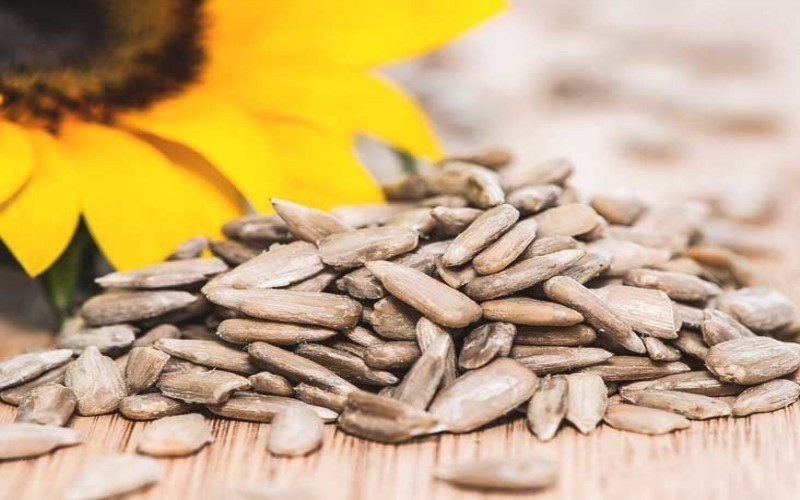
Seeds have gained superfood status for good reason—they’re small but loaded with nutrients that can support your overall health. Among them, sunflower seeds are often overshadowed by trendier options like chia, flax, and pumpkin seeds. But are they any less beneficial? Let’s break down how sunflower seeds stack up against other popular seeds when it comes to your health goals.
Sunflower Seeds: The All-Rounder for Heart and Skin Health
Sunflower seeds are rich in healthy fats, vitamin E, selenium, and plant-based protein. Just a small handful can help reduce inflammation, support cardiovascular health, and keep your skin glowing thanks to the high vitamin E content. They’re also great for managing blood sugar levels and promoting satiety due to their fiber and fat balance.
If you’re looking to add these versatile seeds to your routine, explore Krishival’s sunflower seed collection or try their popular 200g roasted sunflower seeds pack for an easy, healthy snack.
Chia Seeds: Ideal for Omega-3 and Hydration
Chia seeds are tiny powerhouses packed with fiber, omega-3 fatty acids, and antioxidants. They expand when soaked in water, making them a popular choice for hydration and digestive health. Chia seeds are especially beneficial for people looking to lower cholesterol, manage weight, or boost heart health. However, they need to be soaked before consumption to unlock their full benefits and avoid digestive discomfort.
Flax Seeds: Best for Hormone Balance and Digestive Support
Flax seeds are known for their high lignan content—a plant compound that may help balance hormones, particularly in women. They’re also high in alpha-linolenic acid (ALA), a type of omega-3 fatty acid, and contain soluble fiber, making them excellent for gut health. Flax seeds must be ground before consumption to be properly absorbed by the body.
Pumpkin Seeds: Great for Immunity and Men’s Health
Also known as pepitas, pumpkin seeds are loaded with zinc, magnesium, and antioxidants. They’re especially good for immune support and have been linked to improved prostate and bladder health. The high magnesium content supports muscle function and may even help improve sleep quality. They’re crunchy, satisfying, and make a great snack or salad topper.
For more on pumpkin seeds, check out Krishival’s pumpkin seed collection and the best-selling 250g pumpkin seed pack.
Nutritional Comparison: What Each Seed Offers per 28g Serving
- Sunflower Seeds:
Calories: 160 | Protein: 5.5g | Fat: 14g | Fiber: 3g | Vitamin E: 37% DV
Best for: Skin health, heart health, anti-inflammatory benefits - Chia Seeds:
Calories: 138 | Protein: 4.7g | Fat: 8.7g | Fiber: 10g | Omega-3: High
Best for: Hydration, digestion, heart health - Flax Seeds:
Calories: 150 | Protein: 5g | Fat: 12g | Fiber: 8g | Omega-3: High
Best for: Hormone balance, gut health - Pumpkin Seeds:
Calories: 151 | Protein: 7g | Fat: 13g | Fiber: 1.7g | Zinc & Magnesium: High
Best for: Immunity, prostate health, sleep support
Which Seed Is Best for Weight Loss?
Chia and flax seeds win here due to their high fiber content, which helps keep you full for longer. But sunflower seeds aren’t far behind—they’re dense in nutrients and provide a healthy fat-to-fiber balance that supports weight management without spiking blood sugar levels.
Which Seed Is Best for Heart Health?
Sunflower seeds contain vitamin E and unsaturated fats that help reduce LDL cholesterol levels, while flax and chia offer plant-based omega-3s. All three support heart health in different ways, so incorporating a mix is ideal.
Best for Digestion?
Flax seeds are a top pick for digestive support thanks to their soluble fiber. Chia seeds are also beneficial as they form a gel-like substance in the gut that promotes regularity. Sunflower seeds, while not as fibrous, can still support digestion with moderate fiber and healthy fats.
Which One Is Most Versatile in Recipes?
Sunflower seeds are incredibly easy to add to your meals. They can be sprinkled over salads, yogurt, and smoothie bowls or added to homemade granola and energy bars. Unlike chia or flax, they don’t require soaking or grinding. Roasted sunflower seeds from Krishival’s collection are especially convenient for snacking or recipe use.
How to Include Sunflower Seeds in Your Diet
- Smoothie Booster: Add a spoonful of sunflower seeds to your morning smoothie for extra protein and healthy fats.
- Salad Crunch: Sprinkle roasted seeds over salads for a nutty flavor and satisfying crunch.
- Baking Ingredient: Use sunflower seeds in bread, muffins, or cookies for added texture and nutrition.
- Nut-Free Pesto: Blend sunflower seeds with basil, garlic, olive oil, and lemon juice for a delicious pesto.
- Yogurt Topper: A handful of seeds on top of Greek yogurt makes for a protein-rich snack.
Are There Any Drawbacks?
While all seeds are nutrient-dense, overconsumption can lead to excess calorie intake. Sunflower seeds are slightly higher in fat compared to chia or flax, so moderation is key. Additionally, opt for unsalted and unflavored varieties to keep sodium levels in check.
Final Verdict: Which Seed Should You Choose?
There’s no single “best” seed—each has unique health benefits. If you’re looking for convenience, skin and heart health, and great flavor, sunflower seeds are an excellent daily addition. For digestion, consider adding chia and flax seeds. For men’s health or sleep benefits, pumpkin seeds are worth including.
The key is variety—rotate or combine seeds to maximize their benefits. To get started, shop Krishival’s sunflower seeds collection or try their 200g roasted pack for a nourishing, on-the-go snack.


