
The problem usually doesn’t announce itself.
The car starts. It drives. The dashboard lights stay mostly quiet. But something feels… off.
Another warning appears. Another service visit. Another “software update” or “known issue.”
You don’t panic. You trust the brand.
That’s how many California Lemon Law cases actually begin—not with a breakdown, but with a pattern. And lately, certain names keep coming up in those patterns: Tesla, Ford, and Toyota.
So what’s really happening here? Are some brands triggering more Lemon Law claims in California—or are drivers just noticing problems sooner?
Let’s slow it down and look at what the law actually says, why these brands surface more often, and how to tell when frustration crosses into legal territory.
What California Lemon Law Actually Protects (And What It Doesn’t)
California’s Lemon Law isn’t built for dramatic failures. It’s designed for unresolved ones.
Under the Song-Beverly Consumer Warranty Act, manufacturers must either replace or refund a vehicle if it can’t be repaired after a reasonable number of attempts while under warranty. The focus isn’t on how serious a single defect feels—it’s on repetition, reliability, and safety.
According to California Civil Code §1793.22, a vehicle may qualify when:
- The same problem keeps returning despite repairs
- The car spends too many days out of service
- A defect substantially impairs use, value, or safety
In plain terms? If the fix never sticks, the law starts paying attention.
And no, it doesn’t only apply to cars that won’t run. Intermittent issues count too. Software failures. Electrical glitches. Systems that behave until they don’t.
So how do brands like Tesla, Ford, and Toyota fit into this picture?
Why Tesla, Ford, and Toyota Appear More Often in Lemon Law Claims
Before assuming fault, it helps to understand scale.
These brands sell a lot of vehicles in California. More cars on the road naturally mean more warranty interactions. But volume isn’t the whole story. Technology and complexity matter just as much.
Tesla: When Software Becomes the Weak Point
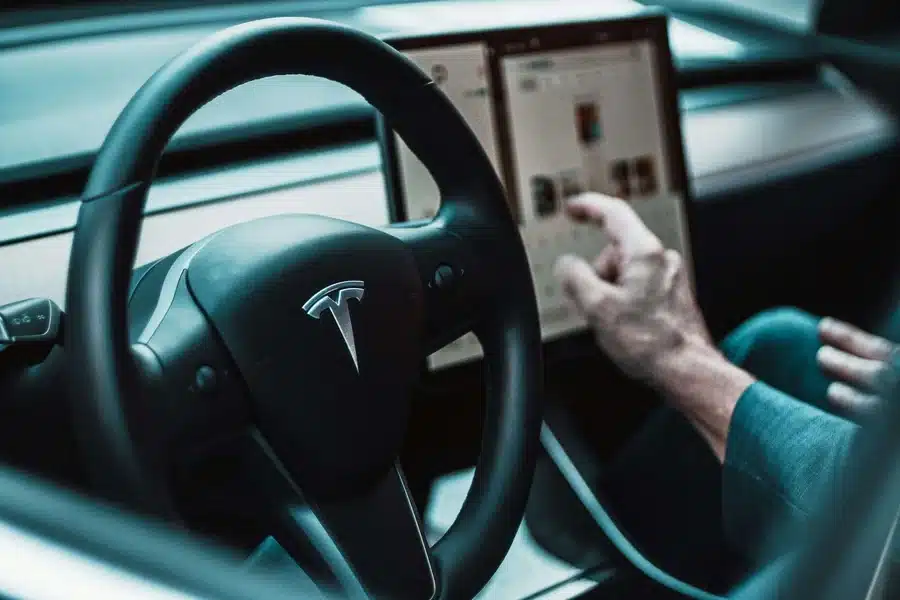
Tesla vehicles rely heavily on software—sometimes more than traditional mechanical systems. Over-the-air updates are impressive, but they can also introduce repeat issues tied to screens, sensors, or driver-assistance features.
Here’s the key legal detail many drivers miss: A defect doesn’t need to be mechanical to qualify.
If a software-related issue repeatedly interferes with safe or reliable operation, it may still be subject to Lemon Law protections.
In fact, the California Department of Motor Vehicles has publicly scrutinized how advanced vehicle features are described to consumers—underscoring that performance claims and real-world reliability matter.¹
So yes, even a car that “drives fine most days” can still raise legal questions if problems keep returning.
Ford and Toyota: Reliability Meets Volume
Ford and Toyota are known for durability—but they also sell millions of vehicles, including hybrids and newer electric platforms.
When high-volume models experience recurring transmission issues, electrical faults, or hybrid system warnings, Lemon Law thresholds can quietly stack up. Not because the brand failed—but because the same fix didn’t hold.
The law doesn’t track reputation. It tracks repair history.
The Lemon Law Buyback Process in California (What Really Happens)
When a claim succeeds, the outcome is often a manufacturer buyback—not a courtroom showdown.
California law requires manufacturers to clearly brand and disclose Lemon Law buyback vehicles before resale. The California DMV explains that these vehicles must carry a specific title designation and written disclosure to future buyers.²
As the DMV notes:
“Manufacturers are required to disclose that a vehicle was repurchased under California’s Lemon Law before resale.” — California Department of Motor Vehicles
That transparency exists to protect future buyers—not to shame the brand.
When a Pattern Becomes a Claim (And When It Doesn’t)
Not every annoyance qualifies. And not every repair visit strengthens a case.
A potential claim often involves:
- The same issue is returning after multiple repairs
- Safety-related malfunctions (braking, steering, power loss)
- Extended downtime while the vehicle sits at the dealership
What usually doesn’t qualify?
- Normal wear and tear
- Cosmetic complaints
- Problems fixed on the first attempt
So ask yourself: is the issue evolving—or repeating?
That distinction matters.
Filing a California Lemon Law Claim Without Guesswork
Strong Lemon Law cases aren’t built on frustration. They’re built on records.
Repair orders. Service dates. Warranty coverage. Consistency.
Many drivers wait too long because they assume one more repair will solve everything. Sometimes it does. Sometimes it quietly weakens their position.
That’s why brand-specific guidance—especially for technology-heavy vehicles—can matter. If you’re researching Tesla Lemon Law, understanding how recurring software or system issues are evaluated under California standards can make all the difference.
Why Lemon Law Claims Are Rising—Without a “Defect Crisis”
This isn’t about the worst cars. It’s about different vehicles.
Modern vehicles combine software, electronics, sensors, and mechanical systems in ways older models never did. When something fails, diagnosing and permanently fixing it can take longer.
Nonprofit newsroom CalMatters recently reported that California Lemon Law claims have increased alongside consumer awareness and legal clarity—not necessarily because vehicles are failing more often, but because drivers are recognizing unresolved patterns sooner.³
More knowledge leads to more action. That’s not a crisis. That’s transparency.
What Smart California Drivers Do Differently
They don’t panic. And they don’t wait forever.
They:
- Track recurring issues early
- Keep every repair record
- Ask better questions before warranties expire
Most importantly, they stop assuming loyalty guarantees resolution.
Because sometimes, the smartest move isn’t another repair—it’s clarity.
FAQs: California Lemon Law, Simplified
1. Do Teslas qualify for the California Lemon Law?
- Electric and software-based vehicles are covered if defects recur under warranty.
2. Is a refund guaranteed?
- Not always. Outcomes depend on repair history, severity, and timing.
3. What’s the statute of limitations in California?
- Generally four years—but waiting can weaken evidence.
Final Words: It’s Not the Badge. It’s the Pattern
California Lemon Law isn’t designed to punish manufacturers. It exists to restore balance when a warranty promise quietly stops working the way it should.
If the same issue keeps resurfacing—after multiple repairs, updates, or reassurances—the law doesn’t reward patience. It recognises patterns. Repetition. Time lost. Confidence eroded.
The smartest drivers don’t wait for a total failure to take things seriously. They notice when “almost fixed” becomes the norm. They keep records. They ask better questions earlier.
Because when a problem keeps returning, the real risk isn’t being overcautious—it’s waiting until your options quietly expire.


