
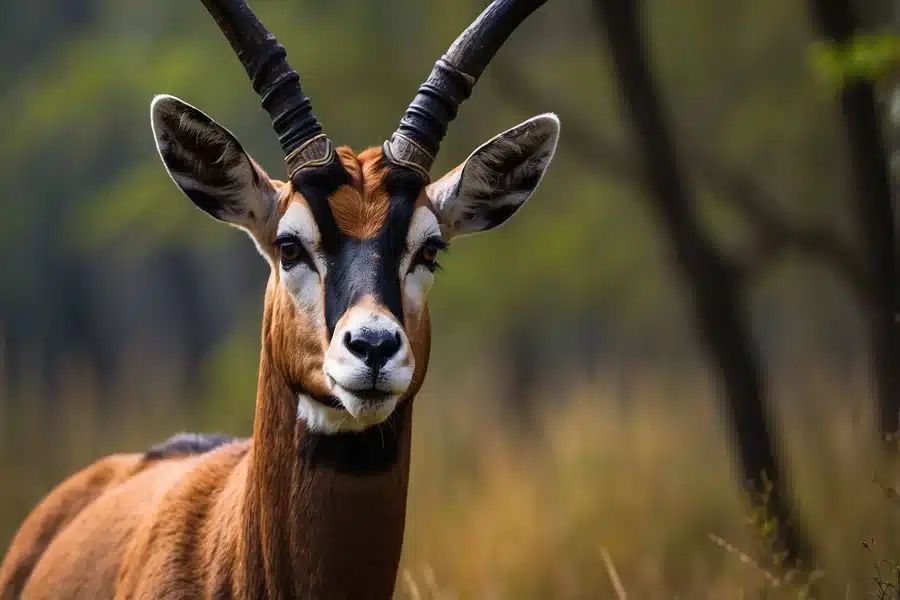
Understanding the Modern Exotic Hunting Landscape
Hunters chase more than heads on walls these days. They want the rush of something new mixed with knowing their shot helps keep populations in check. I’ve spent years covering outdoor tech that supports this shift. Drones for scouting. Apps for tracking regulations. Exotic hunting pulls in people who read about axis deer in Texas or blackbuck in the Hill Country. It’s not just killing. It’s stepping into a system where your license fee funds habitat work. Guys like me test gear in the field. We see how conservation tags turn a hunt into something that sticks around after you leave.
The Physical and Mental Demands of Pursuing Exotic Game
Sweat drips down your back before the sun even rises. Unfamiliar rocks twist ankles faster than you expect. Heat in South Texas hits different from Colorado snow. You push through because stopping means losing the trail. Wind shifts scents you can’t read yet. Days blend into nights of waiting. Doubt creeps in when the animal ghosts you for hours. Terrain eats boots. Bugs swarm at dusk. Your mind races to stay sharp. Exhaustion tests limits you didn’t know existed.
Why Ranch-Based Hunting Operations Matter
Facilities handle the hard parts of keeping animal numbers steady. They rotate grazing areas to prevent overbrowsing. Fences keep things contained without messing up wild spaces. Operations track health issues before they spread. Hunters pay for access that supports vet checks and feed during dry spells. Places like Valhalla Ranch run these setups tight. They log every harvest to match what the land can handle. No guesswork. Just data from years of watching the same ground.
Essential Gear Beyond the Rifle
Binoculars spot movement across open fields where axis blend into grass. Get ones with good glass because cheap ones fog up in humidity. Rangefinders cut the math on shots over 300 yards. Exotic animals bolt quick. You need distance fast. Clothing wicks sweat but blocks thorns from scrub brush. Layers for sudden rain. Navigation tools like GPS units save you when trails vanish in brush. Phones die out there. These pieces mean you see the shot coming instead of reacting late.
Reading Animal Behavior in Foreign Environments
Exotic species spook at sounds North American deer ignore. Axis deer herd up tight at dawn. They scatter wide by noon to feed alone. Blackbuck run in zigzags when pressured. Tracks show wide toes from rocky home grounds. They bed in shade you wouldn’t expect. Movement slows in heat. Watch for dust kicks at dusk. These patterns force you to relearn everything. No assuming elk habits apply.
Building a Relationship With Your Professional Guide
Guides spot scat you walk past. They call wind direction without checking. Talk straight from the start. Ask about past hunts. Listen when they point out fresh rubs. Trust builds when you follow their lead on stalks. They read cloud cover for animal shifts. You miss that alone. Communication stays simple. No egos. Just facts on the ground.
The Ethical Framework Modern Hunters Should Follow
Fair chase means no bait piles for exotics. Give them space to react naturally. Laws vary by state on import tags. Texas requires health certs for meat. Ignore that and you face fines. Respect means knowing bag limits inside out. Overharvest hits herds hard. Follow rules because sloppy work closes doors for everyone else.
Recovery and Integration After the Hunt
Field dress quick to cool the meat. Guides help with quartering if you’re beat. Processors handle grinding for sausage. Trophies go to taxidermists who know exotic hides. Back home emotions hit. Adrenaline fades. You unpack gear and replay shots. Routine creeps back. Work waits. The hunt lingers in quiet moments.
Moving Forward With Purpose
All this pushes you to grow sharper. Respect the animal’s world. Not just the tag. You come back changed. Ready for the next challenge.


